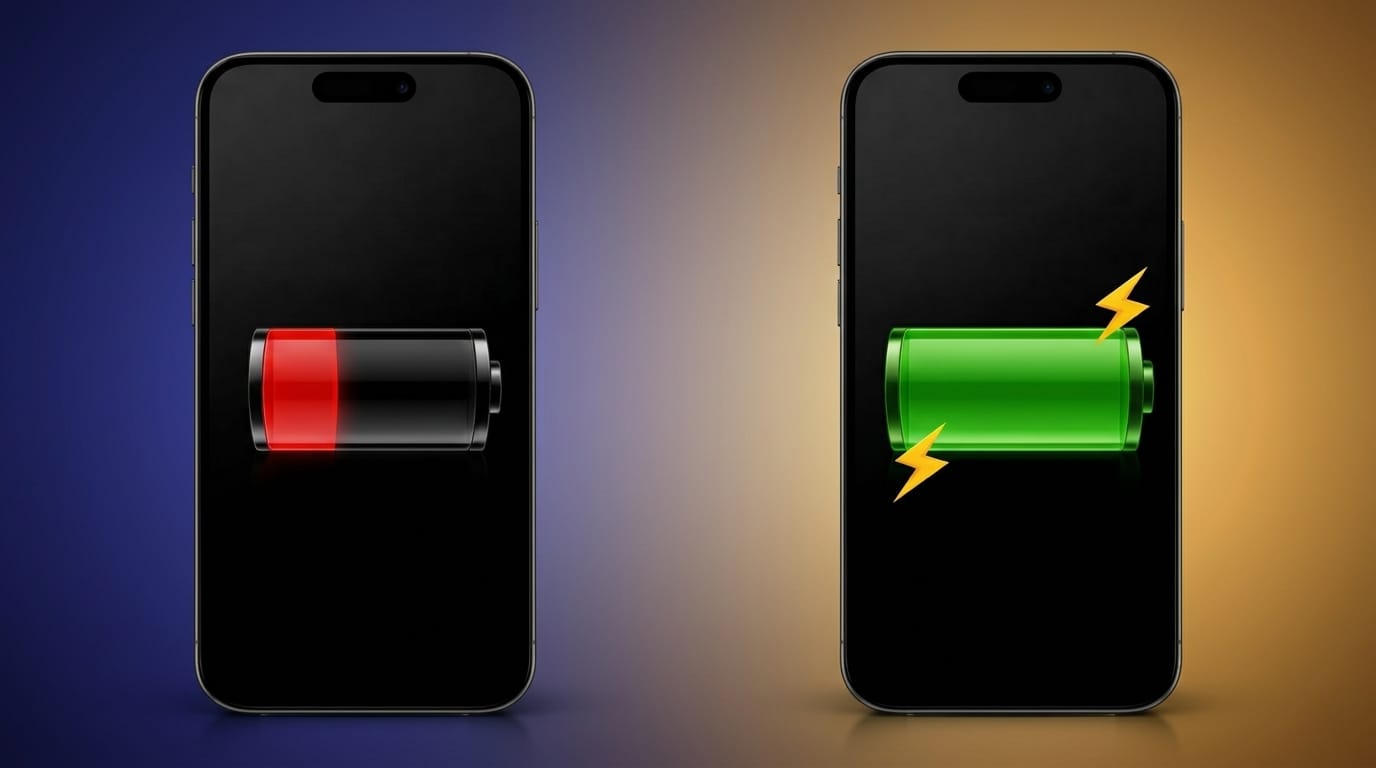
A slow-charging phone can be frustrating, especially when you’re in a hurry or away from home. The good news is that a few simple changes can make a noticeable difference. By using the right accessories and following smart charging habits, you can reduce charging time while also helping your battery stay healthy for longer.
Also read: How to Send WhatsApp Messages Without Saving a Contact on Android and iPhone
Use the Right Charger and Cable
Choose a Compatible Fast Charger
The charger you use plays a major role in charging speed. Many modern smartphones support fast-charging technologies, but they only work properly when paired with a suitable charger.
Before buying a charger, check the charging specifications of your phone. Some devices support 30W charging, while others may support 45W, 60W, or even higher. Using a charger that matches your phone’s capabilities helps deliver the best charging performance.
Low-quality chargers often provide less power and may charge your device much more slowly.
Use a Reliable Charging Cable
A charging cable is just as important as the charger itself. Damaged or poor-quality cables can limit the amount of power reaching your phone.
Using a certified cable helps maintain a stable connection and allows charging to work efficiently. If your phone supports fast charging, make sure the cable also supports that charging standard. A fast charger alone cannot provide maximum speed if the cable is not compatible.
If charging suddenly becomes slower than usual, checking the cable should be one of the first troubleshooting steps.
Charge from a Wall Outlet
Wall sockets generally provide more consistent power than laptop USB ports or shared USB hubs.
While charging through a computer is convenient, it often delivers less power and can take much longer to fully charge a phone. For the quickest results, connect your charger directly to a wall outlet.
Keep a Power Bank for Emergencies
A good power bank can be extremely useful when traveling or spending long hours away from a power source.
Modern power banks often support fast charging, allowing you to recharge your phone quickly when needed. They are especially helpful during emergencies, outdoor activities, or long commutes.
Reduce Battery Usage While Charging
Turn Off the Phone
If you need the fastest possible charging speed, switching the phone off can help.
When the device is powered down, it stops running apps, notifications, background tasks, and other processes that normally consume energy. As a result, more power goes directly into charging the battery.
Avoid Using the Phone During Charging
Using your phone while it’s plugged in can slow down the charging process.
Activities such as gaming, video streaming, and social media browsing use significant battery power. This means part of the incoming energy is being used to run the phone instead of charging the battery.
Leaving the phone untouched for a while can help it charge more efficiently.
Enable Airplane Mode
Airplane Mode disables cellular connections, Wi-Fi, Bluetooth, and other wireless features that continuously use power.
With fewer background activities running, the battery can recharge faster. This is a simple trick that can be particularly useful when you need a quick battery boost.
Close Unnecessary Apps
Many applications continue running in the background even when you’re not actively using them.
Closing apps before charging can reduce unnecessary power consumption. Turning off background app refresh and keeping the screen off can further improve charging efficiency.
Keep Your Phone Cool
Prevent Overheating
Heat is one of the biggest factors that can affect charging speed and battery health.
When a phone becomes too hot, it may automatically slow charging to protect the battery. Keeping the device cool allows it to charge more effectively.
Removing a thick protective case while charging can help improve airflow and reduce heat buildup.
Charge on Hard Surfaces
Soft surfaces such as beds, blankets, and couches can trap heat around the phone.
Instead, place the device on a table, desk, or another hard surface. Better airflow helps maintain a safe temperature during charging.
Stay Away from Hot Environments
Avoid charging your phone in direct sunlight or inside a hot vehicle.
High temperatures can reduce battery performance and may affect long-term battery health. Charging in a cool, shaded area is always the better option.
Keep the Charging Port Clean
Dust, lint, and debris can collect inside charging ports over time.
A dirty charging port may prevent the cable from making a proper connection, which can lead to unstable or slower charging.
Before cleaning, turn off the phone. Use a flashlight to inspect the port and carefully remove visible debris using a wooden toothpick or a soft brush. Avoid using metal objects, as they can damage the internal connectors.
Regular cleaning helps maintain a reliable charging connection.
Choose Wired Charging When Time Matters
Wireless charging is convenient, but it is often slower than traditional wired charging.
Because some energy is lost during wireless power transfer, charging speeds may be lower compared to a direct cable connection.
If you’re trying to recharge your phone as quickly as possible, using a wired charger is usually the better choice.
Keep Your Phone Updated
Software updates often include improvements related to battery management and charging performance.
Manufacturers regularly release updates that optimize power usage, temperature control, and charging behavior. Installing the latest updates can help your device perform more efficiently over time.
Follow Healthy Battery Habits
Good charging habits can extend battery life and maintain strong performance.
Some useful practices include:
- Avoid letting the battery drain completely on a regular basis.
- Recharge when the battery level starts getting low.
- Avoid keeping the phone plugged in at 100% for extended periods.
- Use original or certified charging accessories whenever possible.
- Take advantage of built-in battery protection features if your phone offers them.
These small habits can reduce battery stress and help preserve battery capacity over the long term.
Also read: How to Check Air Quality Index (AQI) on Google Maps for Real-Time Pollution Updates
Final Thoughts
Charging your phone faster doesn’t always require buying a new device. Using the correct charger and cable, reducing background activity, keeping the phone cool, and maintaining clean charging ports can all improve charging speed.
These simple steps not only save time but can also help protect your battery and keep your phone performing well for years to come.

Jatin Rajput (Tech Golu) — Tech blogger & YouTuber with 6+ years of experience in WhatsApp, Instagram, Facebook, and mobile guides. Founder of TechGolu.in.