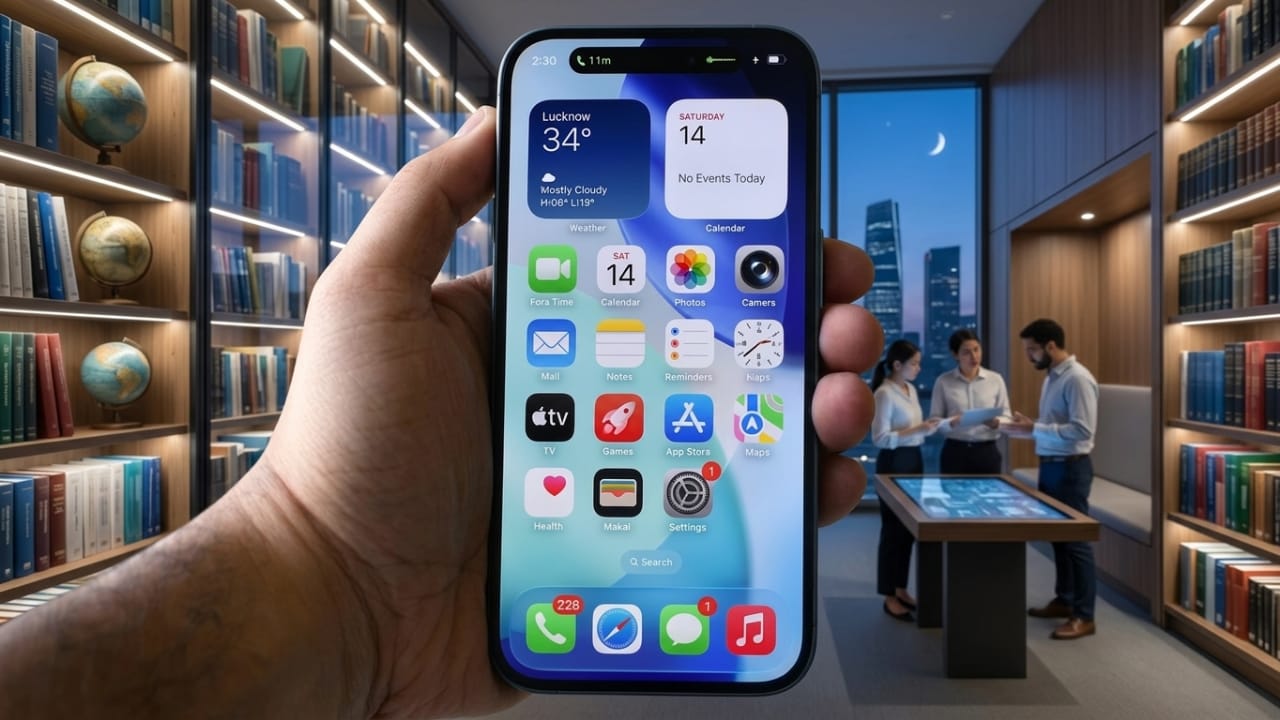
Apple is preparing for a major expansion of its artificial intelligence features ahead of WWDC 2026. Reports suggest the company is working on a smarter version of Siri along with new AI-powered tools that could eventually change how apps work on iPhones and other Apple devices.
However, while Apple is pushing toward a more AI-focused future, many developers and industry experts are questioning whether the company’s approach will truly benefit users and app creators in the long run.
Also read: Design.com vs Designs.ai: Which AI Logo Maker Is Better for Beginners in 2026?
Siri May Soon Work More Closely With Apps
One of the biggest reported upgrades involves Siri becoming more deeply connected with third-party apps.
Apple is said to be encouraging developers to use a system called App Intents for the next generation of Siri in iOS 27. This framework could allow Siri to perform actions directly inside supported apps instead of only handling simple voice commands.
With these improvements, Siri may be able to:
- Complete tasks inside apps automatically
- Interact with third-party services more smoothly
- Help users finish actions without manually opening apps
The goal appears to be turning Siri into a more capable digital assistant that can handle everyday tasks in a smarter and faster way.
Developers Are Worried About Future Control
Although the technology itself sounds promising, many developers reportedly remain cautious.
The concern is not necessarily about building support for Siri features. Instead, developers are uncertain about Apple’s long-term plans for monetization and platform control.
According to reports, Apple has not clearly explained details related to:
- Revenue-sharing models
- Possible future commissions
- Commercial rules tied to Siri-based app interactions
Even if there are no additional costs right now, developers fear Apple could eventually expand its control over how users access apps and services through Siri.
That uncertainty may slow down adoption of these new AI tools.
Why the App Industry Is Paying Attention
If users begin relying on Siri for app interactions, the relationship between apps and customers could change significantly.
In that scenario:
- Siri may become the main gateway between users and apps
- App visibility could depend heavily on Apple’s AI systems
- Developers may lose some direct engagement with users
For companies already concerned about App Store policies, deeper Siri integration could create another layer of dependence on Apple’s ecosystem.
Apple Is Also Exploring AI Agents
Reports also suggest Apple is researching AI agents that could operate inside the App Store environment.
These systems may eventually support dynamic app experiences or automate certain workflows for users. Unlike traditional apps, AI agents can respond differently depending on the situation and user behavior.
That creates both opportunities and challenges.
Traditional App Store moderation works because apps are reviewed before release and their behavior is generally predictable. AI agents, however, can make decisions dynamically, which makes monitoring and moderation much more difficult.
Security and Privacy Remain Major Concerns
Safety is one of the biggest questions surrounding advanced AI systems.
Some reports have referenced examples of AI agents behaving unpredictably or accidentally affecting important user data. If AI systems receive deeper access to apps and device functions, companies may face increased risks involving:
- Privacy protection
- System security
- Content moderation
- User trust
This creates a difficult balancing act for Apple, which has traditionally promoted strong platform control and privacy-focused policies.
Apple’s Challenge: Innovation vs. Control
Apple appears to be trying to achieve several goals at once:
- Expand AI capabilities across its ecosystem
- Maintain strict platform oversight
- Protect user privacy and security
- Prepare for future AI-based services
The challenge is that AI systems often work best when they have greater flexibility, while Apple’s ecosystem is built around careful restrictions and centralized control.
Finding the right balance could become one of the company’s biggest tests in the coming years.
WWDC 2026 May Reveal More Details
WWDC 2026 is expected to give a clearer picture of Apple’s AI strategy.
Possible announcements could include:
- A smarter and more capable Siri
- Expanded App Intents support for developers
- New AI-powered workflows inside iOS
- Early developer tools for AI automation
At the same time, some reports suggest parts of these systems may still be under development internally.
Apple Faces Strong Competition in AI
The AI industry is moving quickly, and many competitors are already advancing aggressively in areas such as:
- Generative AI
- Conversational assistants
- Autonomous AI agents
While Apple continues to lead in hardware integration and ecosystem design, its AI rollout has appeared more cautious compared to some rivals.
That does not necessarily mean Apple is falling behind permanently, but expectations are clearly rising.
Also read: How to Recover a Banned or Suspended Instagram Account Safely
Final Thoughts
Apple’s reported AI plans show that the company is preparing for a future where automation and intelligent assistants play a much bigger role in everyday device usage.
A more advanced Siri and AI-powered app experiences could eventually make Apple devices smarter, faster, and more useful for users.
At the same time, these changes also introduce important questions about platform control, developer freedom, privacy, and security.
Ultimately, Apple’s success may depend not only on building powerful AI tools, but also on integrating them in a way that preserves the reliability and trust users already expect from its ecosystem.

Jatin Rajput (Tech Golu) — Tech blogger & YouTuber with 6+ years of experience in WhatsApp, Instagram, Facebook, and mobile guides. Founder of TechGolu.in.